
Definition
A Superfund site is a contaminated site addressed under EPA’s Superfund program, the common name for the Comprehensive Environmental Response, Compensation, and Liability Act, or CERCLA. Under 42 U.S.C. § 9604(a)(1), a hazardous-substance release or substantial threat can independently trigger federal response authority. For a pollutant or contaminant, the release or substantial threat must be one that may present an imminent and substantial danger to public health or welfare.
The label is about legal status, not contamination alone. A site may be proposed for the National Priorities List, listed on it, handled outside the NPL, under construction, or already deleted.
This article reflects CERCLA, 42 U.S.C. §§ 9601 to 9675, and the National Oil and Hazardous Substances Pollution Contingency Plan, 40 C.F.R. part 300, as reflected in eCFR on Oct. 22, 2026, plus EPA Superfund pages dated Aug. 28, 2026, Sep. 15, 2026, and Oct. 19, 2026.
What the term covers
Superfund is the common name for CERCLA, enacted in 1980. The statute gives the United States government authority to respond to a hazardous-substance release or substantial threat of release. It also covers a pollutant or contaminant release or substantial threat when it may present an imminent and substantial danger to public health or welfare. CERCLA separately sets liability rules for certain responsible parties.
EPA uses the program to identify contaminated places, clean them up, and track them through a formal record. The official EPA site pages, Federal Register notices, and site file are the primary records for the legal status of a new listing, a deletion, or a cleanup milestone.
A Superfund site can be an abandoned plant, landfill, mine, waste disposal area, contaminated sediment area, or groundwater plume. The word “site” is practical, not architectural. It may cover one parcel, several properties, a river segment, or groundwater beneath a neighborhood, depending on the record EPA builds. In some records, the concern is toxic waste stored in drums or other containers; in others, it is chemical releases into soil, a canal, or groundwater.
The governing text is CERCLA, and the operating rulebook is the National Oil and Hazardous Substances Pollution Contingency Plan, usually called the NCP, at 40 C.F.R. part 300. The National Priorities List, or NPL, appears in appendix B to part 300.
The cleanup path, step by step
Superfund is not a single permit with one deadline. The statute and the NCP create a sequence of decisions. Some steps have fixed notice and review requirements. Others depend on the contamination, geology, responsible parties, and selected remedy.
| Stage | What EPA is doing | What it means on the ground | Timing |
|---|---|---|---|
| Discovery, preliminary assessment, site inspection | EPA, a state, a tribe, or another source identifies a possible release and gathers enough information to decide whether more federal attention is needed. | Sampling, file review, and site visits may begin. The site is not necessarily on the NPL. | Varies by site. CERCLA does not set one deadline for every preliminary assessment and site inspection. |
| Hazard Ranking System evaluation and proposed NPL listing | EPA uses the Hazard Ranking System, or HRS, to evaluate relative risk and may propose the site for the NPL through Federal Register rulemaking. | The site becomes a proposed NPL site. Proposal is not final listing. | The comment period is set in the Federal Register notice. |
| Final NPL listing or another cleanup path | EPA decides whether to list the site on the NPL. Some sites are cleaned up through other Superfund paths, including the Superfund Alternative Approach. | A final NPL site enters the most visible long-term Superfund track. Non-NPL cleanup can still be extensive. | Depends on the record and EPA’s response to comments. |
| Remedial investigation and feasibility study | EPA studies the nature and extent of contamination and compares cleanup options. | More detailed sampling and technical analysis start to define contaminants, pathways, and possible remedies. | Varies by site. Complex groundwater or sediment sites often take longer. |
| Proposed plan and record of decision | EPA proposes a preferred cleanup option, takes public comment, then selects the remedy in a record of decision, or ROD. | The ROD states the cleanup goals and actions EPA chose. | Under the NCP, the proposed plan comment period is generally at least 30 days. |
| Remedial design and remedial action, including construction | EPA or responsible parties turn the selected remedy into engineering plans and then build or implement it. | Treatment systems, caps, excavation, groundwater remedies, sediment work, or institutional controls may be put in place. | Varies by remedy. CERCLA does not give one uniform design or construction period. |
| Operation, maintenance, and five-year reviews where required | After construction, EPA or another party operates, maintains, and monitors the remedy. | “Construction complete” does not mean the work is over. Long-term pumping, treatment, caps, monitoring, or land-use controls may continue. | If hazardous substances remain above levels allowing unlimited use and unrestricted exposure, CERCLA § 121(c), 42 U.S.C. § 9621(c), requires review at least every five years. |
| Partial or full deletion from the NPL | EPA determines that the deletion criteria have been met for the site, or for a separable part of the site, and follows the deletion process. | The site, or part of it, is removed from the NPL. The cleanup history stays in the record. | Deletion follows 40 C.F.R. § 300.425(e), with Federal Register notice and a public comment period. |
The main point is status. Under construction means the remedy is being built or implemented. Construction complete means all physical construction required for cleanup of the entire site has been completed, even though final cleanup levels may not yet have been achieved. Deleted means EPA has completed the formal deletion process for all or part of the NPL site.
Superfund site, CERCLA site, and NPL site are not the same thing
Readers often use these terms as if they mean the same thing. They overlap, but they do different work.
| Term | Plain meaning | What it does not necessarily mean |
|---|---|---|
| Superfund site | A contaminated site addressed through EPA’s Superfund program. | It is not always a current final NPL site. |
| CERCLA site | A site addressed under CERCLA authority. | It does not tell you the stage of cleanup by itself. |
| NPL site | A site listed on the National Priorities List in appendix B to 40 C.F.R. part 300. | It does not mean cleanup has just started, or that cleanup has not advanced. |
| Proposed NPL site | A site EPA has proposed for listing through rulemaking. | It is not yet a final NPL listing. |
| Deleted NPL site | A site, or a portion of a site, removed from the NPL after EPA’s deletion process. | It does not mean the site was never contaminated. |
| Superfund Alternative Approach site | A site cleaned up through Superfund procedures without a final NPL listing. | It is not an NPL site, even if the cleanup path looks similar. |
If you need the legal status, start there. The site profile, the Federal Register notice, and the NPL entry tell you more than a map pin.
What qualifies a site for Superfund attention
CERCLA focuses on releases or threatened releases of hazardous substances, pollutants, or contaminants. The definitions are in 42 U.S.C. § 9601, and the NCP lays out the response process in 40 C.F.R. part 300.
For NPL listing, EPA uses the Hazard Ranking System in appendix A to part 300. The HRS looks at pathways such as groundwater migration, surface water migration, soil exposure and subsurface intrusion, and air migration. It is a screening tool for listing, not a household safety score. It also helps explain why two places with similar toxic headlines can end up on different tracks: one may have a clear pathway to drinking water, while another is limited to an isolated source area.
That is why a “Superfund site near me” search cannot answer risk by distance alone. Exposure depends on the contaminants, pathway, water source, land use, and controls already in place. A map point is a starting place, not a substitute for the file. Start with the contamination summary, decision documents, and remedy description.
Who pays for cleanup and who does the work
CERCLA is both a response statute and a liability statute. EPA may require potentially responsible parties, often called PRPs, to perform cleanup work or reimburse the government for EPA-led work. The core liability provision is CERCLA § 107, 42 U.S.C. § 9607.
A PRP can include certain owners, operators, arrangers, or transporters named in the statute. That label is not the same as a court judgment. It means EPA has identified a party in a category that may be liable under CERCLA.
EPA can also use Superfund money when no viable responsible party is available, or for certain government-led actions. So “Superfund” is not only a fund. It is also the statute, the program, and the federal cleanup authority. The federal agency can step in first and seek assistance from liable parties later, or it can make them perform the work directly.
Removal action and remedial action
Two response terms matter here:
| Response type | Plain meaning | Typical role |
|---|---|---|
| Removal action | A short-term response to a release or threatened release that calls for prompt action. | Stabilize conditions, remove immediate threats, or address time-sensitive problems. |
| Remedial action | A long-term response intended to permanently and significantly reduce danger to public health or the environment. | Investigate, select, design, build, operate, and maintain the remedy. |
This page explains the structure. It is not legal advice about any owner, buyer, lender, worker, or neighbor.
How to find a Superfund site in EPA’s database
EPA provides search tools and maps, including “Search for Superfund Sites Where You Live” and other site listings. Use them as record-finding tools, not as a substitute for the site profile.
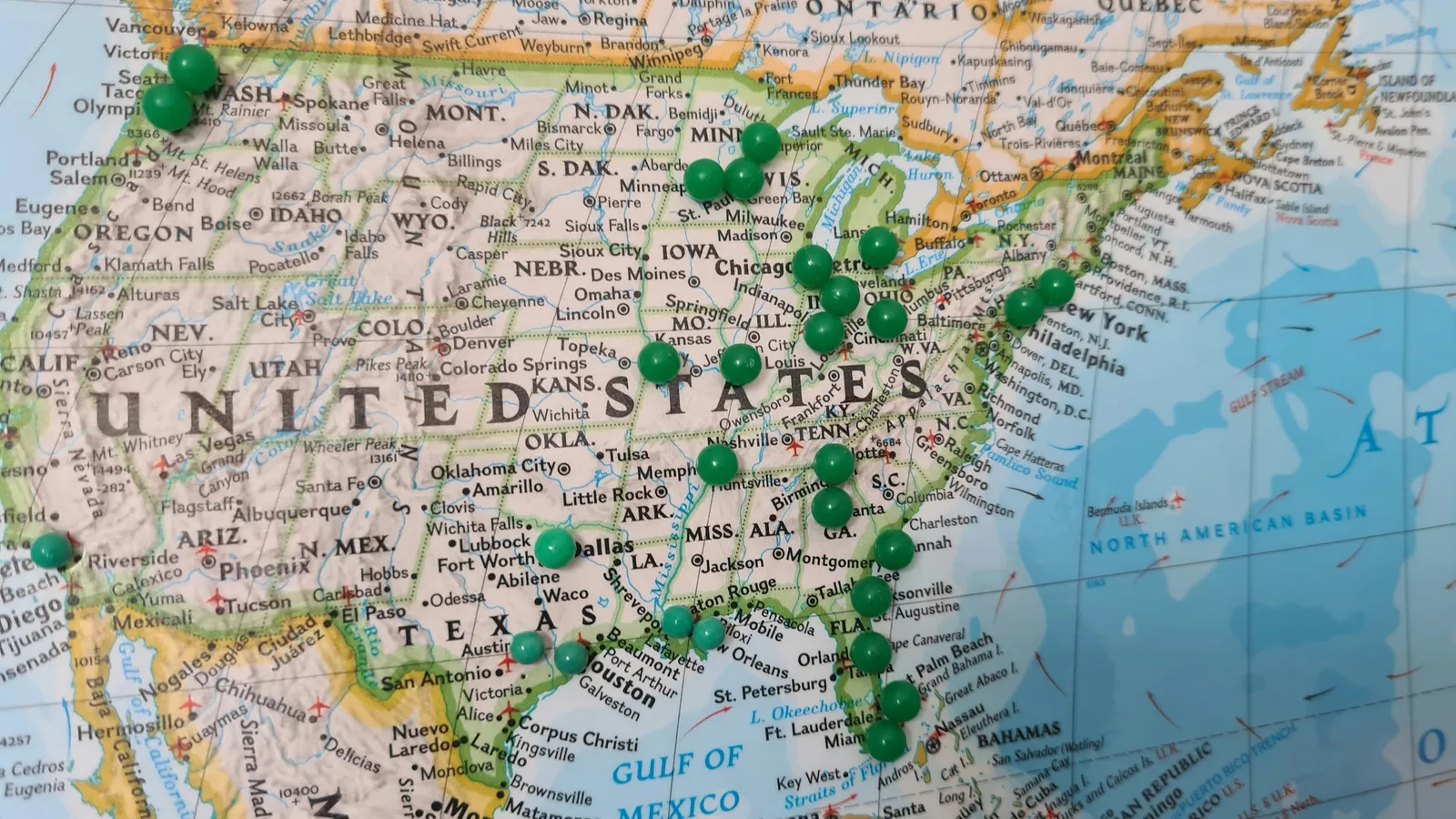
- State, county, city
- location filters
- Proposed, final, deleted
- NPL status filters
- Site profile
- cleanup status and background
- Documents
- records of decision, updates, and notices
A practical lookup usually runs in this order: search by location or site name, filter by status if the tool allows it, open the site profile, read the contaminants and affected media, then check the decision documents and their dates. A map result alone is not enough. If you are looking for an official EPA answer, use the site’s own record rather than a reposted summary or a third-party map.
Watch the wording carefully. Proposed, final, construction complete, remedy selected, and operation and maintenance each point to a different stage. For legal status, look for the Federal Register listing or deletion notice and the NPL status shown in EPA’s database.
What deletion from the NPL means
Deletion is EPA’s formal removal of all or part of a site from the NPL. The deletion rule is at 40 C.F.R. § 300.425(e). EPA may delete a final NPL site when it determines, after the required process, that no further response is appropriate under the NPL listing for the site or the part being deleted.
Deletion can be partial. That matters at large sites with separate parcels, operable units, groundwater areas, or cleanup histories that do not move together.
Deletion does not mean the site was never contaminated. It does not erase the record of decision, sampling history, institutional controls, or five-year reviews where they still apply. Deleted sites can remain eligible for further Superfund-financed remedial action if future conditions warrant it.
The better question is not whether the site is “gone.” It is what exactly was deleted, what remains, and what document explains EPA’s decision.
Common misreadings
A few mistakes come up often enough to name directly.
- A Superfund site is not every polluted property. Many contaminated places are handled under state cleanup programs, brownfields work, RCRA, or other authorities.
- A map pin is not a health-distance rule. Distance alone does not tell you exposure, risk, or cleanup status.
- Deleted does not erase the cleanup history. It means EPA completed the deletion process for the listed site or portion.
- CERCLA still exists. Superfund is not only an old 1980s headline.
- Superfund is not only a fund. It is the common name for CERCLA and EPA’s cleanup program under that statute.
Precise status words keep the term useful.
Community information matters too
Superfund records often include community involvement materials because cleanup decisions can affect nearby residents, drinking water, soil exposure, redevelopment, and land use. The same site can matter differently to a homeowner, a county planner, a tribal government, a worker, or a local community group trying to understand how the cleanup connects with daily life.
EPA site pages may include public meeting materials, community updates, technical assistance information, and document repositories. Those materials do not replace the legal record, but they help explain how EPA is talking to the public during a cleanup. They can also point you to contact information for the site team, the state, or a community organization sharing dates and meeting notices.
For the broader framework on how law and place meet, see Environmental Justice: Definition, Law and the 2025 Rollback.
Primary sources
- 42 U.S.C. § 9604: Response authorities, Office of the Law Revision Counsel, U.S. House of Representatives.
- 42 U.S.C. § 9607: Liability, Office of the Law Revision Counsel, U.S. House of Representatives.
- 40 CFR Part 300: National Oil and Hazardous Substances Pollution Contingency Plan, Electronic Code of Federal Regulations.
- Search for Superfund Sites Where You Live, U.S. Environmental Protection Agency.
- What is Superfund?, U.S. Environmental Protection Agency.
Sources accessed October 24, 2026.