
En bref
- Conecuh National Forest is in southern Alabama, in Covington and Escambia Counties near the Florida line.
- The forest has about 85,000 National Forest System acres in the 2024 Land Areas Report and follows the 2004 Revised Land and Resource Management Plan for the National Forests in Alabama.
- Longleaf pine and prescribed fire define the forest’s structure on the ground.
- For Endangered Species Act review, start with the red-cockaded woodpecker, listed as threatened in the USFWS final rule published October 25, 2024.
- Gopher tortoise habitat matters here, but Conecuh is east of the Mobile and Tombigbee Rivers, where the species is not federally listed under the ESA.
- About 85,000 acres
- 2024 Forest Service Land Areas Report
- Alabama
- state
- Covington and Escambia Counties
- southern Alabama
- Longleaf pine
- forest, maintained with fire
Conecuh is a small but telling national forest near the Florida line. Its legal and ecological record points in the same direction: longleaf pine, prescribed fire, sandy uplands, and species tied to open pine structure.
This page reflects sources checked in October 2026. It treats Conecuh first as a Forest Service unit, then as habitat. For access, closures, road status, or hunt-related rules, the current Forest Service notice and the applicable state regulation control.
Forest facts and sources
The grid below follows the same property lines used across the Southern National Forests collection. Where a primary source did not give a clean answer, the line says so.
| Property | Value | Source |
|---|---|---|
| State | Alabama | U.S. Forest Service, National Forests in Alabama forest plan and unit materials, checked October 2026 |
| Acres | About 85,000 National Forest System acres | USDA Forest Service Land Areas Report, checked October 2026 |
| Established | 1936 | U.S. Forest Service historical map materials, checked October 2026 |
| Ranger district | Conecuh Ranger District, within the National Forests in Alabama | U.S. Forest Service, checked October 2026 |
| Wilderness areas | None identified | U.S. Forest Service unit materials, checked October 2026 |
| Wild and scenic rivers | None identified | National Wild and Scenic Rivers System and Forest Service unit materials, checked October 2026 |
| ESA listed species | Red-cockaded woodpecker, threatened. Gopher tortoise is federally listed west of the Mobile and Tombigbee Rivers in Alabama, Mississippi, and Louisiana, not for Conecuh’s eastern Alabama setting. | USFWS Federal Register final rules and ECOS-linked materials, checked October 2026 |
| Current forest plan | Revised Land and Resource Management Plan for the National Forests in Alabama, January 2004, with Errata #2 in September 2005 | U.S. Forest Service forest plan materials, checked October 2026 |
| Recent projects or litigation | Conecuh oil and gas leasing availability analysis: Forest Service FONSI dated February 2026, with BLM adoption decision dated June 10, 2026. Litigation not identified from the sources used here. | Forest Service and BLM project materials, checked October 2026 |
Two cautions matter. “About 85,000 acres” is an orientation figure, not a project boundary. And a forest-wide ESA note is not a consultation list for a road, timber sale, prescribed burn, mineral lease, or recreation decision. The action area decides what matters.
Where Conecuh sits in Alabama
Conecuh National Forest lies in south Alabama, along the Alabama-Florida line in Covington and Escambia Counties. That places it in the Coastal Plain, not in the state’s more upland terrain.
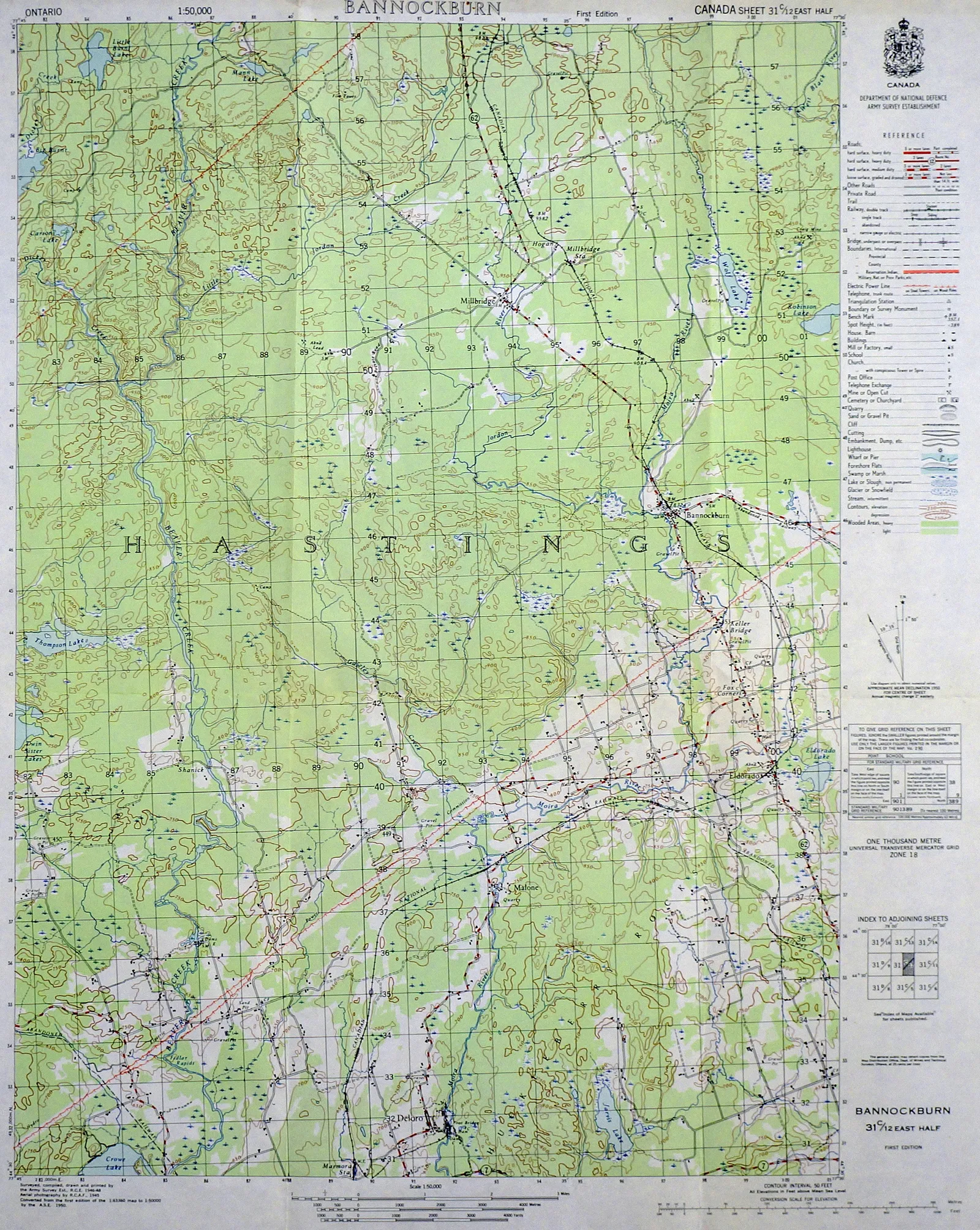
That geography shapes the vegetation, the fire regime, and the species mix. When the Forest Service manages Conecuh, it is managing a coastal plain pine forest, not a generic stand of timber. People often search Conecuh for camping, hunting, directions, or trail names, but current access still depends on current notices and state rules.
Longleaf pine, fire, and conservation
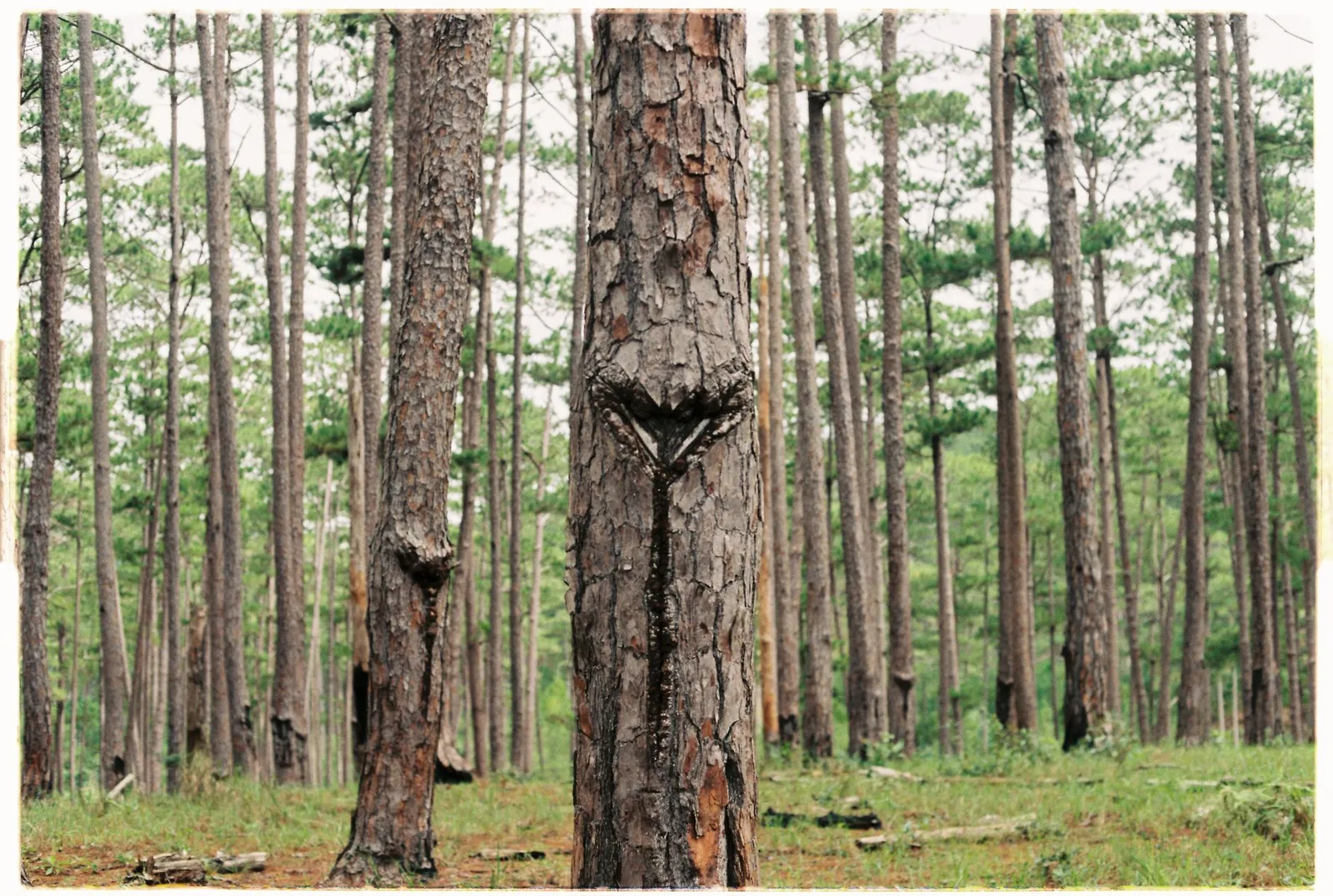
Conecuh is best understood through longleaf pine. In the Southeast, longleaf systems are usually open, sunlit pine forests with grasses and low plants beneath the canopy. That structure depends on fire.
The Forest Service treats prescribed fire as a planned management tool: fire applied under controlled conditions by trained personnel, not a wildfire that runs wherever it wants. In a longleaf forest, prescribed fire reduces woody competition and keeps the understory in a condition that many pine savanna species need.
That is why Conecuh keeps returning to one practical question: how much fire, where, and when. Without fire, the system closes in. With fire used as planned, the open structure remains.
Gopher tortoise habitat fits here because the species uses open, sandy, fire-maintained uplands. We keep the two questions apart: habitat association is not the same thing as ESA listing status.
Species to check against ESA sources
The Endangered Species Act uses legal status, not general concern language. “Rare,” “sensitive,” and “worth watching” are not the same as listed. For Conecuh, the first species to check is the red-cockaded woodpecker.
| Species | Scientific name | ESA status for this page | Source note |
|---|---|---|---|
| Red-cockaded woodpecker | Dryobates borealis | Threatened | USFWS final rule published October 25, 2024, effective November 25, 2024, which downlisted the species from endangered to threatened and changed the listed scientific name from Picoides borealis to Dryobates borealis |
| Gopher tortoise | Gopherus polyphemus | Not treated here as federally listed for Conecuh | USFWS lists the species as threatened west of the Mobile and Tombigbee Rivers in Alabama, Mississippi, and Louisiana; Conecuh is east of that line in Covington and Escambia Counties |
The red-cockaded woodpecker should drive the first legal review for a project in longleaf pine. It is a cavity-nesting bird tied to mature pine systems. If a project could affect nesting, foraging habitat, or cavity trees, the Forest Service has to use the current species file, not a summary line on a recreation page.
The gopher tortoise still matters. Its burrows support other animals, and its habitat overlaps with Conecuh’s open pine conditions. But do not turn habitat relevance into automatic ESA status.
Recreation without turning this into a trail guide
Conecuh has a clear recreation identity, but this page is not a campsite directory. Forest Service materials point readers toward Open Pond Recreation Area, Blue Lake Recreation Area, and the Conecuh Trail.
Open Pond is the better known developed area, tied to camping, day use, fishing, boating, and water access in Forest Service materials. Blue Lake is also associated with day use and water-based recreation. The Conecuh Trail gives the forest its hiking reference point.
Rules for camping, hunting, fishing, boating, swimming, and day use can change with season, closure, or fee notice. This page does not replace the current Forest Service recreation notice or Alabama wildlife rules.
Forest plan, recent projects, and what changed
The planning baseline is the 2004 Revised Land and Resource Management Plan for the National Forests in Alabama, dated January 2004 with Errata #2 in September 2005. The plan sets broad management direction. It is the background layer, not the last word on every road, burn, lease, or timber decision.
For this October 2026 check, the major recent project record we identify is the Conecuh National Forest oil and gas leasing availability analysis. The Forest Service issued a final environmental assessment and finding of no significant impact in February 2026. BLM then issued a June 10, 2026 decision adopting the Forest Service analysis for future site-specific NEPA analyses. That does not replace later parcel-level review.
How Conecuh compares with nearby forests
Conecuh
- About 85,000 National Forest System acres
- Southern Alabama, near the Florida line
- Longleaf pine forest with gopher tortoise habitat context
- Red-cockaded woodpecker is the first ESA species to check
Apalachicola
- Larger Florida national forest
- Gulf Coastal Plain setting
- Longleaf pine and wetland systems
- Useful regional comparison for fire-shaped habitat
The comparison is useful because both forests sit in the Gulf Coastal Plain and both raise longleaf pine, fire, and species questions. Conecuh is the smaller Alabama unit. Apalachicola gives the regional comparison across the state line.
Related forests and species
Use the parent collection for the full Southern National Forests set, then compare Conecuh with a larger Gulf Coastal Plain forest and the species page that explains the gopher tortoise listing boundary.
Related pages
- Southern National Forests
Parent collection for the Alabama, North Carolina, and Florida forests
- Apalachicola National Forest
A nearby Gulf Coastal Plain comparison
Primary sources
- Land Areas of the National Forest System, as of September 30, 2024, USDA Forest Service.
- Revised Land and Resource Management Plan, National Forests in Alabama, USDA Forest Service.
- National Forests in Alabama Oil and Gas Analysis News Release, USDA Forest Service.
- Project Home Page: Adoption of the U.S. Forest Service Final Environmental Assessment of the Conecuh National Forest Oil and Gas Leasing Availability Analysis, Bureau of Land Management.
- Endangered and Threatened Wildlife and Plants; Reclassification of the Red-Cockaded Woodpecker From Endangered to Threatened With a Section 4(d) Rule, Federal Register / U.S. Fish and Wildlife Service.
Sources accessed October 24, 2026.